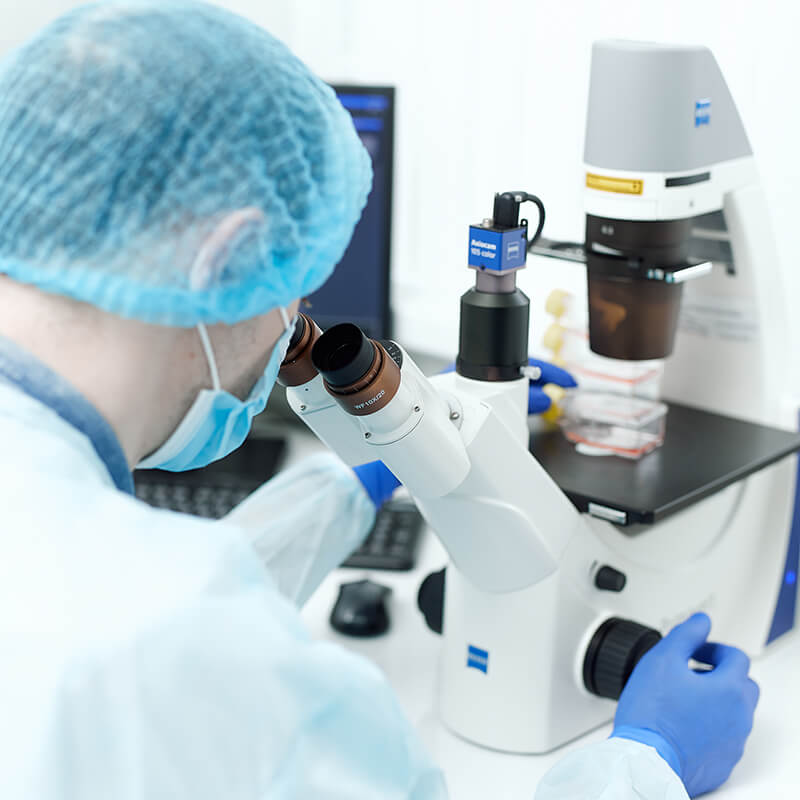
World Cord Blood Day is celebrated on November 15. Umbilical cord blood is a unique biomaterial whose cellular composition is not similar to the blood of an adult, but resembles bone marrow. Therefore, umbilical cord blood can be used as an analogue of bone marrow in cases where the patient is indicated for transplantation of hematopoietic stem cells. And this is a wide range of blood diseases (leukemia, lymphoma, aplastic anemia), genetic defects of the immune system and metabolism, as well as in regenerative medicine.
Umbilical cord blood has been used in medicine since 1988. During this time, it has been proven that when umbilical cord blood is used, immunological complications (“graft versus host” syndrome) develop less often in patients. In 2023, the US Food and Drug Administration (FDA) approved the use of expanded umbilical cord blood cells, which solves the problem of small volume transplants.
As of 2024, the well-known educational organization Parents Guide to Cord Blood Foundation reported that the engraftment time of cord blood cells is comparable to that of haplotransplantation. In the treatment of chronic myeloid leukemia, it was noted that the use of umbilical cord blood is more effective compared to other sources of hematopoietic stem cells. Also, umbilical cord blood can be the transplant of choice for high-risk malignant diseases and congenital metabolic diseases, when transplantation should be performed as soon as possible (frozen umbilical cord blood is ready for use, and the search for a compatible donor is sometimes quite long).
In the developed countries of the world, the storage of umbilical cord blood is financed by the state. Public umbilical cord blood banks have been established in the USA, Canada, Great Britain, Germany, France and other countries. In Ukraine, since 2003, parents have the opportunity to preserve umbilical cord blood, as well as placenta and umbilical cord collected during childbirth, in the first domestic and first licensed umbilical cord blood cryobank operating at the Institute of Cell Therapy in accordance with international standards.